Apples are one of the most popular fruits in the world. Estimates place the amount of apples grown worldwide to have been about 69 million tons in 2010. Proper apple handling, cooling, and storage is essential to the overall quality and taste of the ultimate apple or apple product that makes its way to end consumers. Fortunately there are several excellent cooling and storing methods available to those who grow, ship, and sell apples.

General Facts About Apples

There are over 7,500 known varieties or cultivars of apples. Each different variety comes with its own set of characteristics; however, just about all are susceptible to some extent to bruising and mechanical damage. As such it is important for harvesters and workers to avoid dropping apples, or over-stuffing boxes.

Apples are susceptible to sun and heat damage. For this reason it is crucial that harvested apples not be allowed to sit in the sun for hours and that apple boxes and crates be well ventilated. Apples should also be cooled as soon as possible after harvesting to slow deterioration and quality loss.

General Information About Cooling and Storing Apples

For the successful cooling and storing of apples it is important to keep the following considerations in mind: respiration and its effect on degradation, relative humidity and its effect on the apple’s water and weight loss, chilling and re-chilling and how it can contribute to bacteria or fungi growth, and cooler and equipment maintenance and the impact this has on apple cooling and storage.

Respiration and Degradation – Apples continue to respire even after they are picked. It is this respiration which is largely responsible for their degradation and general loss of quality. However, respiration can be slowed if the apples are properly cooled, thereby minimizing degradation, maintaining quality, and extending shelf life.

As a general rule of thumb, the higher the holding temperature the greater the respiration and softening rate. Most varieties of apples will respire and degrade at twice the rate when they are kept at 40°F versus 32°F. At 60°F apples will respire and degrade a startling six times faster than at 32°F. It is generally a good idea to avoid subjecting the apples to temperatures more than a degree or two below 32°F, however, because they could suffer freeze damage.

Another important point to remember is that most coolers and thermometers will measure the temperature of the air rather than the temperature of the apples themselves. The actual apples are often a few degrees higher in temperature.

Relative Humidity – Relative humidity is an important factor in apple cooling and storage because if the relative humidity is too low it will cause the apples to dry out and suffer weight loss. Most varieties of apples need a relative humidity of about 90% to 95%. In some cases this will require the use of humidifiers in the storage rooms to add water vapor to the air.

Storage – Apples are known to “sweat” when they are removed from a cool storage environment and abruptly exposed to warm air. Likewise this sweating may occur if the cooler or storage facility is opened and warm air is allowed to enter. What is actually happening is that moisture is condensing on the apples. While this does not itself directly harm the apples, it can contribute to bacterial and fungal growth. Chilled apples should also not be allowed to warm up and then be re-chilled, since this can also contribute to the problem.

To prevent the growth of pathogens it is crucial that storage rooms and containers be kept clean and sanitary. Likewise, while apples prefer high relative humidity levels of 90%-95% the humidity should not be allowed to reach the saturation point of 100% since this too can cause moisture and condensation to form and once again promote bacterial growth.

Cooler Maintenance – Good cooler maintenance is also crucial to the proper cooling and storage of apples. The thermostats and humidistats should be periodically checked for accuracy, fans, ducts, and refrigerations coils should undergo routine cleaning and inspection, and gaskets should be checked to confirm a good seal. It is also important to monitor the cooler for potential air leaks or damaged insulation. Good upkeep and cooler maintenance will also help keep energy costs as low as possible and extend the service life of the cooler.

Methods of Cooling Apples

There are several different appropriate methods for cooling apples including: room cooling, forced-air cooling, and hydrocooling. Apples that are being stored long-term may also be subject to controlled atmosphere storage. What follows is a brief description of each as they relate to apples.

Room Cooling – Room cooling involves placing the apples in a chilled room such as a cooler to allow them to cool gradually as a result of ambient conditions. When it comes to room cooling it is important that the apples be well-ventilated, otherwise apples near the center of the boxes may not properly cool. The bulk apple boxes themselves should be stacked at least six inches apart from each other and at least eight inches away from an external wall or ceiling.

Room cooling is one of the least expensive methods of cooling apples and it also has the benefit of requiring little extra handling and labor since the apples are also likely to be stored, at least short-term, in the same refrigerated room that did the cooling. However, room cooling also has the disadvantage of being one of the slowest methods of cooling apples and it generally takes anywhere from several days to two or more weeks to fully cool the apples. Apples in the middle of the box may never fully cool since there is a natural heat increase from respiration and these internally located apples may be too far away from the cool air to fully benefit.

Forced-Air Cooling – Forced-air cooling involves forcing cool air past the apples to ensure contact and greatly increase the rate of cooling. Forced-air cooling is about four to ten times faster than room cooling. Because forced-air cooling relies so heavily on air flow, it is essential that the apple containers have plenty of open space and are well-ventilated. It is common for the apple crates to be arranged in a shell-type formation around the fan.

Using the correct fan for the job is crucial. Not all fans are able to generate enough pressure to fully move the air through the apples. A general rule of thumb is that the fan will need to be able to deliver around two to three cubic feet of air per minute per pound of apple being cooled. It is also worth noting that the fan will pull the air through the apples, rather than blowing it around them. This helps reduce damage and water loss. However, forced-air cooling nevertheless does run the risk of drying the apples out. That is why it is particularly important to monitor and maintain relative humidity levels when using forced-air cooling.

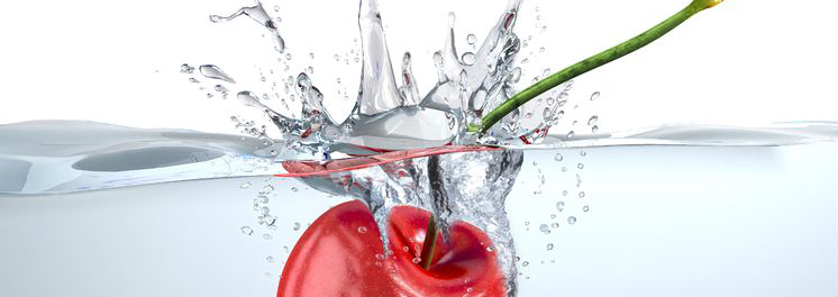
Hydrocooling – Hydrocooling is one of the fastest methods of cooling apples, faster than both room cooling and forced-air cooling. Hydrocooling involves submerging the apples in cold water to cool them. The larger the apple the longer it must be kept in the water. A general rule of thumb is that as the diameter of an apple doubles the amount of time it takes to cool the apple will also double.

Since the water is such a crucial element of hydrocooling it is very important that it be kept as cold as possible, generally as near to freezing as it can get while still being liquid. The water should also be very pure to avoid contaminating the apple and it must come into full contact with each of the apples. The water should also move past the apples quickly. Since hydrocooling requires a higher cooling load than other methods it is common to only cool the apples to about 45°F then finish the cooling using a different method.

Controlled Atmosphere Storage – Controlled atmosphere storage allows apples to be stored very long-term with only a slow, gradual loss in quality. As the term implies it involves keeping the surrounding conditions – the atmosphere – around the apple in a very controlled state. Temperature and humidity levels are closely regulated as are oxygen, carbon dioxide, and nitrogen levels since all of these gas concentrations can also affect the speed of degradation.

When selecting a cooling and storage method for apples it is important to consider factors such as the apple’s particular variety, the temperature at harvest, energy efficiency, how long the apples will need to be stored, and how much handling will be required. Naturally choosing a method which accomplishes your goals while keeping energy and labor costs to a minimum and apple quality to a maximum will be desirable. SEMCO/SEMCOLD LLC offers a full range of cooling devices ideal for apples which can be customized to fit each customer’s capacity needs.
Cooling carrots is essential after a harvest. Carrots make a delicious, nutritious, low calorie snack. They are also very popular in salads and are frequently found in fruit juices and health drinks. One of the main reasons carrots are so popular is due to their crunchy texture as well as their sweet, satisfying taste. However, for optimal texture, taste, and nutrition it is imperative that carrots be properly cooled and stored after harvest.

General Facts About Carrots

Carrots are closely related to traditional herbs such as parsley, dill, fennel, and cumin which are typically grown for their aromatic leaves and flavorful seeds. Like these other plants, carrots too were originally grown primarily for their leaves and seeds rather than their roots. Overtime carrots were cultivated to improve the taste, texture, and size of their roots, elongating them and giving them a less woody flavor. Nowadays of course carrots are almost exclusively grown and eaten for their roots; however, their leafy greens are still sometimes eaten as well.

Carrots are low in calories and starch and rich in vitamins such as β-carotene, α-carotene, and γ-carotene, which metabolize into vitamin A. Vitamin A is important for eye health. Carrots are also rich in antioxidants and minerals. They are believed to improve blood flow and aid in healthy digestion.

General Information About Cooling and Storing Carrots

Carrots may be stored, transported, and sold as either topped carrots, which have had the greens cut off of them, or as bunched carrots, which retain the greens intact. This distinction is important because bunched carrots have a shorter shelf life than topped carrots.

Temperature – Both topped and bunched carrots should be stored at a temperature of about 32°F. They should also be cooled as soon after harvest as possible and ideally should be harvested in cool soil. However, it is not recommended for the carrots’ temperature to drop below 0°F or freeze damage may occur.

Respiration and Degradation – The extra foliage on bunched carrots results in a dramatically higher rate of respiration and thus also accelerated degradation and loss of quality.

Relative Humidity – Carrots should be stored at a very high relative humidity, about 98% – 100%. This prevents them from losing moisture. If they lose moisture their texture and crunch will be compromised as well as their overall taste and nutritional value.

Handling – Carrots should be handled carefully to avoid bruising their shafts or damage to their tips. Damaged spots act as weak spots for decay and rapid degradation to set in.

Ethylene Exposure – Like many fruits and vegetables carrots will change in the presence of ethylene. For carrots ethylene exposure will result in a more bitter, less pleasant taste. For this reason carrots should be kept separate from other produce that release ethylene as they ripen.

Shelf Life – Topped carrots will last up to a very impressive 9 months under optimal conditions. By contrast bunched carrots will only last approximately 2 weeks under optimal conditions.

Methods of Cooling Carrots

Because it is important to cool carrots quickly and thoroughly and keep them at low temperatures, basic room cooling alone is seldom optimal. Instead the following methods are recommended:

Forced-Air Cooling – Forced-air cooling, which utilizes specially designed fans to pull cool past the carrots, results in much faster cooling times.

Hydrocooling – Hydrocooling involves submerging the carrots in near-freezing water and is very effective at rapidly cooling the carrots. Hydrocooling also helps prevent the carrots from becoming dehydrated.

Packing Ice – Packing ice directly on the carrots is another highly effective means of cooling the carrots. This approach will also help with rehydration if the carrots are somewhat dehydrated.

SEMCO/SEMCOLD LLC is proud to offer a wide range of industrial cooling systems that are ideal for use to cool carrots. Our systems can be customized to fit the capacity and cooling method needed for each client’s operations. We will work closely with you to ensure that the system is optimal for your carrots or other produce.

Once considered exotic by many Americans, artichokes are becoming a much more common mainstay thanks to their exquisite flavor and versatile culinary uses. Artichokes are frequent ingredients in a variety of dips, tasty components in many salads, popular side dishes, and sometimes even main courses. As with most other types of vegetables and produce the taste, quality, and nutritional value of artichokes is strongly influenced by cooling and storage.

General Facts About Artichokes

The artichoke is a species of thistle that has been cultivated for hundreds of years into the edible vegetable we know today. The domesticated plant is called the globe artichoke, while the wild variety is commonly called a cardoon. Artichokes are native of the Mediterranean region and as such have been cultivated and enjoyed by several prominent ancient societies including the ancient Egyptians, Greeks, and Romans. The Greeks referred to them as “kaktos” while the Romans called them “carduus,” from which their wild name, cardoon, derived.

The artichoke came to the United States in the 19th century when the French introduced it to to Louisiana. Around the same time the Spanish also introduced it to California. Nowadays most of the US supply of artichokes comes from California, which has a suitable climate for crop growth. However, new cultivars such as the “Imperial Star” and the “Northern Star” have
allowed the artichoke to grow further north and in more regions.

Today the artichoke is highly regarded both for its flavor and culinary uses as well as its nutritional value. It has one of the highest antioxidant contents of all vegetables and is known to help improve cholesterol and aid in digestion. Artichokes flowers can also be used to make herbal tea and artichokes are even one of the primary ingredients in an Italian liqueur known as Cynar.

General Information About Cooling and Storing Artichokes

Artichokes are harvested primarily in spring with another peak harvest taking place in autumn. The artichoke plant grows to a height of about 4.5 to 6.5 feet and is cut such that the bulb of the plant and several inches of stem are taken. From there there are several key factors that affect cooling and storage.

Temperature – Artichokes should be pre-cooled to a temperature of at least 41°F or lower within 24 hours of harvest for maximum quality retention. They should then be cooled to a temperature of about 32°F or freezing. Though they are not overly sensitive to freeze damage, temperatures below 30°F should be avoided as there could be some damage or loss of quality.

Respiration and Degradation – Like many fruits and vegetables, artichokes respire and degrade at a faster right at higher temperature levels. Artichokes respire and release heat at about 8 times the rate at 68°F than they do at 32°F. Thus proper cooling and storage will significantly increase shelf life.

Relative Humidity – Artichokes do best at a relative humidity of about 95%. Lower humidity levels will result in moisture loss and a reduction of quality.

Storage and Shelf Life – Under ideal conditions artichokes will remain fresh and viable for about two to three weeks.

Methods of Cooling Artichokes

Because the temperature at which artichokes are initially cooled and stored is so important, and because their temperature should be lowered quickly for maximum quality preservation, basic room cooling is not ideal. That is because room cooling alone does not cool the artichokes quickly enough and depending on conditions may not ever be sufficient to lower their temperatures to proper levels. Instead the following cooling methods are recommended:

Forced-Air Cooling – Forced-air cooling involves placing the artichokes in a refrigerated room or cooler; however, with the addition of specially designed fans that pull cool air through the artichokes. This dramatically shortens the amount of time it takes to cool them.

Hydrocooling – Hydrocooling involves rapidly lowering the artichokes’ temperature by submerging them in near-freezing water.

Packing Ice – Artichokes can also benefit from the cooling effects of being placed in direct contact with packing ice.

SEMCO/SEMCOLD LLC provides high quality, industrial cooling and storage solutions for maintaining artichoke quality. Our systems can be customized to fit the commercial needs of our customers and to preserve the taste and quality of artichokes. Our goal is to help our customers bring only the best quality, healthiest, and most delicious artichokes to the end consumer.

It’s no secret that Americans love sampling exotic dishes from other cultures and then making them a dietary staple here at home. As a result peppers, a common ingredient in a variety of Asian and Latin dishes, are finding their way onto more and more American plates. Considering their delicious, zesty, flavorful taste they are a welcome addition. However, for peppers to pack the most nutritional punch, and for them to taste their best, they need to be properly cooled, stored, and handled.

General Facts About Peppers

There are many varieties of peppers, each with its own unique flavor profile. Some common, popular ones include bell peppers, banana peppers, jalapenos, cayenne, pimiento, and chili peppers. Though each of these peppers has its own distinct properties and culinary uses, there is much overlap with regard to proper harvesting, handling, cooling, and storage methods.

General Information About Cooling and Storing Peppers

One important trait that sets peppers apart from many other types of fruits and vegetables is that they do better in mid-range temperatures than many other types of produce. However, this also means that they are very sensitive to damage if temperatures are either too high or too low. Peppers also require careful handling to avoid sustaining physical damage.

Respiration – Like other fruits and vegetables peppers continue to respire after they have been harvested. This respiration in turn releases heat and if left unchecked it will hasten the ripening, color change, and decay of the pepper.

Temperature – Peppers should be stored at temperatures of about 45°F to 50°F. Above 50°F their respiration and degradation rate is much higher and they are subject to shrinkage, softening, and even the development of disease. However, below 40°F the pepper is subject to chill damage in the form of pitting, softening, and more rapid decay. Over-cooling can be just as detrimental to peppers as under-cooling.

Relative Humidity – Peppers require a high relative humidity of about 90% to 95%. Without enough humidity they will suffer water loss and reduced quality.

Handling – Pepper are typically harvested during hot summer months. This results in harvest temperatures that are often upwards of 90°F. Thus it is imperative that peppers be cooled within at least 1-2 hour of harvest. They should also be handled carefully and never left out in the sun or they may suffer from sunscald.

Storage – Peppers often require separate storage from other fruits and vegetables. This is because of both their preference for somewhat higher temperatures than many other fruits and vegetables as well as their sensitivity to ethylene. Ethylene is released naturally by many fruits and vegetables as a byproduct of ripening and it in turn further accelerates ripening. If peppers are exposed to ethylene their shelf life will be dramatically reduced.

Shelf Life – Under optimal conditions peppers can last for up to 2-3 weeks with little loss of quality.

Methods of Cooling Peppers

There are two primary cooling methods for peppers:

Forced-Air Cooling – Forced-air cooling is the preferred cooling method. It involves placing the peppers in a cooler on pallets and pushing chilled air through the pepper containers with the use of a fan. This forced circulation significantly reduces cooling time and helps chill the peppers more quickly and efficiently.

Room Cooling – The other major cooling method for pepper is room cooling. This involves placing the coolers in a chilled room such as a cooler and allowing them to gradually chill to the ambient temperature. However, room cooling is a much slower process than forced-air cooling and depending on the circumstances it may not be a sufficient method by itself.

SEMCO/SEMCOLD LLC understands how important it is to protect harvested peppers with reliable, high-quality cooling and storage methods. We design and build customized cooling systems for our customers which can be perfectly tailored to fit the needs of pepper crops. This in turn results in better prices for sold peppers and improved quality and taste for end consumers.

Corn, also known as “maize” in many parts of the world, is one of the most popular and widespread crops on the planet. The United States produces about 332 million metric tons every year. There are two major types of corn: field corn, which is used as a starch-rich variety used in corn products such as cornmeal, corn oil, and other corn-based foods; and sweet corn, which is a sugar-rich variety which is eaten as a vegetable and prized for its taste. For sweet corn to be flavorful and high quality it must be rapidly and continually cooled otherwise the sugars will begin converting into starches.

General Information About Cooling and Storing Corn

Sweet corn is an extremely perishable crop which requires immediate and consistent cooling until it reaches end consumers. If it is not properly cooled it will rapidly become tough and starchy, losing its tenderness and sweetness and no longer being suitable for consumption. There are several important cooling factors which affect sweet corn.

Respiration and Degradation – Like many other types of fruits and vegetables a major source of quality loss for sweet corn is due to the rise in temperature caused by natural cellular respiration. The respiration rate is heavily dependant on temperature, making it crucial to quickly and thoroughly cool sweet corn to preserve its quality. The respiration rate at 90°F is a staggering eight times higher than at 32°F. Considering that field temperatures are often upwards of 90°F when sweet corn is harvested this can lead to almost immediate degradation if left unchecked.

One remedy to limit respiration is to harvest the sweet corn in the early morning, while temperatures are lower and while the moisture content is highest. This also helps reduce cooling loads for subsequent cooling and helps save energy. Another common method is to immediately begin covering the sweet corn with cool well water as soon as it is harvested.

Moisture Retention – Moisture retention is another important factor in sweet corn quality. To best retain moisture the sweet corn should be neatly and uniformly trimmed to remove long shanks and flag leaves. Loss of moisture can result in kernel denting as well as a loss of quality and taste. Once again treating the corn with cool water can help with moisture retention.

Sugar Content – Sweet corn has a high percentage of sugar which gives it its characteristic sweet, flavorful taste. However, almost as soon as it has been harvested the sugars present begin converting into starches. This process cannot be completely stopped, but it can be significantly slowed, preserving the quality and value of the corn for longer. Temperature is an important factor with the loss of sugar being about four times as rapid at 50°F as it is at 32°F. Once the sugars are converted into starches this process cannot be undone. That makes it crucial that the corn remain properly refrigerated for its entire journey from harvest into the eventual hands of the consumer.

Relative Humidity – The relative humidity of the environment plays an important role in moisture retention and proper cooling. Sweet corn does best with a relative humidity of about 90% to 98%.

Storage – Storage times will vary but under ideal storage conditions, those with low temperature and high humidity, sweet corn can be stored for around 5 to 8 days without a major loss in quality. Some newer, supersweet varieties are able to be stored for even longer.

Methods of Cooling Corn

Basic cooling methods such as room cooling, which involves placing the sweet corn in a refrigerated room or cooler, are not adequate to cool the sweet corn rapidly and efficiently enough. Instead hydrocooling and packing ice is recommended.

Hydrocooling – Hydrocooling involves rapidly cooling the corn by submerging it in near-freezing water. This is one of the most effective ways to quickly and efficiently remove the majority of field heat and help the corn quickly approach suitable cooling and storage temperatures. However, hydrocooling is most efficient when the temperature differential between the corn and the water is high. In other words when water temperatures are low, such as with freezing water, and when corn temperatures are high, such as with freshly harvested crops. After about 20 to 30 minutes of hydrocooling the temperature of the corn will have decreased by about 20 degrees or more. As a result the next 20 degree temperature drop would take twice as long as the first 20 degree drop and would require over an hour of additional hydrocooling.

Packing Ice – Because hydrocooling becomes less efficient the lower the temperature of sweet corn gets, it is recommended that after initial hydrocooling the remaining necessary temperature drop be attained through the use of packing ice over and around the sweet corn. This will help save energy and lower cooling loads. A good rule of thumb is to use about one pound of ice for every five pounds of sweet corn.

SEMCO/SEMCOLD LLC offers high quality hydrocooling and icing systems that are ideal for use on sweet corn cooling. Our systems and product lines can be customized to suit the capacity needs and other specifications of each our clients.

Strawberries are known the world over for their sweet, succulent flavor, juicy texture, and brilliant red color. They are the ideal dessert after a meal, a perfect afternoon snack, or a great flavoring for pies, jams, jellies, compotes, ice cream, and more. However, for strawberries to live up to their lofty potential they must be handled carefully, cooled quickly and thoroughly, and not allowed to re-warm. What follows is a discussion of strawberry-related information, general facts about cooling and storage, and ideal cooling methods.

General Facts About Strawberries

Strawberries as we know and love them today were first cultivated in the 1750s in Brittany, France by crossing two wild varieties of strawberries: the Virginian strawberry, native of the United States, and the Chilean strawberry, native of Chile and Argentina. The cross proved quite fruitful indeed and resulted in what we now refer to as the garden strawberry or simply strawberry. Despite the name, strawberries are not true berries at all; instead they are aggregate accessory fruit, meaning that the tasty flesh is not from the plant’s ovary itself but rather the adjacent tissue. Other accessory fruits include pineapples, figs, and mulberries.

Strawberries are a common ingredient in countless desserts, preserves, cereal bars, snack products, juices, and other foods and beverages. They are a great source of vitamin C and manganese, and contain small amounts of essential unsaturated fatty acids crucial to a healthy diet. It is believed that strawberries might improve heart health, fight cancer, and help with inflammation, though research on these purported benefits is on going.

General Information About Cooling and Storing

Strawberries are a highly perishable fruit which pose a number of cooling and storage challenges. That is because they are highly sensitive to heat, moisture levels, and mishandling. Even under ideal circumstances they have a fairly limited shelf life. This makes it important to eek out every bit of saleable life span they have by optimizing the way they are cooled and stored. The following are key considerations:

Respiration – Like most other fruits and vegetables, strawberries respire and give off heat as a byproduct of this respiration. Unfortunately respiration rates are directly tied to degradation and over-ripening and these effects are only accelerated at higher temperatures. For comparison a ton of strawberries releases about 3,300 Btu per day at a temperature of 32°F; however, at a temperature of 80°F the same ton of strawberries would release a whopping estimated 41,800 Btu – nearly 13 times as much heat!

Humidity – Strawberries are extremely sensitive to humidity levels. They require a relative humidity in the range of 90% to 95%. If humidity levels are too low the strawberry will shrivel up, losing its taste and quality. On the other hand, if the humidity is too high water and moisture may form on the strawberry which exposes it to decay organisms such as gray mold and rhizopus rot. These pests are extremely communicable and will readily infest an entire container of strawberries from only one small initial source.

Temperature – To reduce respiration and extend strawberry shelf life as much as possible the fruit should be cooled rapidly to about 32°F to 34°F as soon as it is picked, and it is crucial that these temperatures remain constant. If the strawberries are allowed to rewarm they are subject to spoiling. However, the strawberry will freeze at 31°F, which will also damage it.

Handling – Strawberries are delicate and very prone to bruising and physical damage. Once they are damaged the weak spot becomes a site vulnerable to decay organisms and rapid spoiling. This makes it essential that strawberries be carefully harvested and packaged and that any damaged fruit be discarded rather than be allowed to remain with the good strawberries and spoil them.

Shelf Life – Even when conditions are optimal strawberries only have a shelf life of about 5 to 7 days. This makes it very important for strawberry operations to be as efficient as possible and for strawberry farmers to arrange potential buyers before harvest.

Methods of Cooling Strawberries

Because of the various challenging elements of strawberry cooling, storage, and handling strawberries have a limited number of options in terms of what cooling methods can be employed. Basic room cooling is not suitable because it is essential for strawberries to get their temperature down quickly, within 2 hours or less, after harvest. Room cooling would cool them too gradually. Hydrocooling is not suitable either because the water and moisture would make them more susceptible to threats from decay organisms like gray mold. Slush ice and packing ice would risk physical damage. That leaves strawberries with one viable cooling method: forced-air cooling.

Forced-Air Cooling – Forced-air cooling involves arranging the strawberries around a fan and pulling, rather than blowing, air through the containers. This thus forces cool air circulation and cools the strawberries much more quickly than non-forced air methods would allow. Once again because of the strawberries’ sensitivity to humidity levels it is important to monitor air moisture and ensure that the process doesn’t dry the strawberries out or allow condensation to form on them.

SEMCO/SEMCOLD LLC understands the unique challenges associated with strawberry cooling and storage. Our forced-air cooling systems are versatile and can be custom designed to fit each client’s particular capacity and scale demands.

Cabbage and leafy greens such as collard greens, mustard greens, turnip greens, and kale are an important source of vitamins and nutrients. They are often discussed together due to similarities among planting, harvesting, and nutrition. However, there are some important differences with regards to the way cabbage should be cooled and stored versus these other greens. Recognizing these differences and employing the best cooling and storage method for each vegetable is crucial for getting the best taste, quality, and market value.

Factors Influencing the Cooling and Storage of Cabbage

Cabbages come in a variety of colors such as green, purple, and white; however, the green variety is of course the most popular and well known. It is closely related to cauliflower, broccoli, and brussels sprouts. It comes in closely packed groups of leaves called heads. A head of cabbage may range from 1 lbs to 9 lbs, depending on variety. Most cabbage varieties grown in the US fall in the range of 3 lbs to 5 lbs when mature.

Temperature – As with just about every fruit and vegetable, temperature is closely tied to shelf life and quality preservation in cabbage. The optimum temperature for cabbage to be stored is 32°F.

Humidity – Cabbage should be kept at a relative humidity of 95%.

Freezing – It is important to avoid subjecting cabbage to freeze damage. Cabbage will freeze at a temperature of 30°F.

Ethylene Gas – Decomposition of cabbage is accelerated when the cabbage is exposed to ethylene gas. Ethylene gas is released by many different types of fruits and vegetables as a byproduct of their own ripening and decomposition. Some such ethylene gas-producing fruits and vegetables include apples, pears, peaches, and tomatoes. Cabbage should be stored and cooled separately from these other foods to prevent this interaction.

Cooling Methods – Cabbage may utilize one of the following cooling methods

  • Room CoolingThe most common way to cool cabbage is by placing it in a refrigerated room such as a large cooler and allowing it to gradually cool to lower ambient temperatures. It will take a typical, medium-sized head of cabbage around 18 hours to cool from 80°F to 36°F.
  • Forced-Air CoolingThough room cooling is typically sufficient, some people make use of forced-air cooling to accelerate the cooling of cabbage. This involves arranging the containers of cabbage around a fan and using the fan to pull air through the ventilated containers, thereby forcing air circulation and increasing the rate of cooling.

Shelf Life – When properly harvested, handled, cooled, and stored cabbage has a shelf life of about 2 to 3 months.

Factors Influencing the Cooling and Storage of Leafy Greens

The term “leafy greens” is applied to various leaf vegetables such as collard greens, mustard greens, turnip greens, and kale. These greens may be harvested in leaf bunches or by the entire plant. Leafy greens are more perishable than cabbage and have a shorter shelf life.

Temperature – The optimum temperature for cooling and storing leafy greens is about 32°F.

Humidity – Leafy greens should be kept in a humid environment to prevent them from drying out. Their optimum relative humidity is about 95%.

Freezing – Leafy greens are easily damaged by freezing. As with cabbage they will freeze at about 30°F.

Cooling Methods – Leafy greens require faster cooling than cabbage to maintain their best quality. One of the following cooling methods may be employed:

  • HydrocoolingOne of the most successful methods of cooling leafy greens quickly and efficiently is with hydrocooling. This involves submerging the greens in near-freezing water.
  • Packing Ice – Leafy greens may also benefit from being placed in direct contact with packing ice to quickly and efficiently get their temperature down.

SEMCO/SEMCOLD LLC understand the needs of the produce industry and we are eager to go the extra mile to serve our clients with their industrial or commercial cooling needs. We offer a wide range of cooling systems that are ideal for cabbage and leafy greens and which can be customized to fit each client’s different capacity demands and other specifications.

Ice crushers and ice blowers are an integral part of the entertainment and snow-making industries. These heavy duty, hard-working pieces of equipment are carefully designed and constructed to stand up to the demands of high capacity, physical strain, and prolonged daily use. They are also very versatile and can be custom designed to fit a range of different requirements. Let’s take a closer look at industrial ice crushers and ice blowers.

What Are Ice Crushers and Ice Blowers?

Let’s begin by discussing what ice crushers and ice blowers are and why they are so commonly discussed together.

  • Ice Crushers – Despite their size and high capacity ice crushers are actually relatively simple pieces of machinery. This in part is one of the reasons that they are so dependable. Ice is dropped into the feeder apron which then channels the ice into the crusher’s inner workings. Meanwhile a motor is turning the crusher’s blades which in turn crush the ice and feed it back out of the machine in the form of snow-style ice particles.
  • Ice Blowers – Ice blowers use a motorized fan to propel crushed ice, often up to very long distances and at high capacities. By adjusting the ice blower’s design, fan, and motor the unit can be customized to blow for shorter or longer distances and at varying outputs as needed.
  • Ice Crusher-Blower Combinations – Within the industrial cooling industry it is very common to build ice crushers and ice blowers into one combination unit. That is because most ice blowers will naturally need a supply of crushed ice to blow and also because the addition of an on-board blower removes the need to shovel the crushed ice produced by the crusher.

What Options Exist For Ice Crushers and Ice Blowers

Ice crushers and blowers are very versatile and can be custom designed and built with many specifications in mind. This allows them to best serve the industry demands of the particular customer who is buying them. Some of the various options include:

  • Fuel Type – Ice crushers and blowers can be built to run on various fuel types. Two of the most popular are diesel and electric.
  • Feed Ice Capacity – Ice crushers vary in how much feed ice they can handle at a given time. Units are often built to handle up to 300 pound blocks of ice; although, some units can even handle up to 400 pound blocks.
  • Feed Ice Type – Ice crushers are usually built to crush ice in block form. However, some units are designed to be more versatile and may be able to crush blocks, cubes, fragments, and tubes of ice as well.
  • Output Capacity – Ice crushers also vary in terms of the amount of output capacity they have. Units vary from relatively small output capacity to up to 25 tons per hour, or even 60 tons per hour – a whopping 2,000 pounds per minute! This ensures that there will be an ice crusher/blower able to meet every customer’s output demands.
  • Blowing Distance – Ice blowers that are a part of a crusher-blower combination can often blow crushed ice an impressive 70 to 80 feet. However, some customers need even larger distances and specialized blowing units can even attain distances of up to 300 feet.
  • Mounting – Ice crushers and blowers are used in a range of different industries with many different demands. In some cases a more permanent or long-term mounting may be desired, while in others it could be imperative for the unit to be able to move or relocate easily. Ice crushers and blowers can be skid mounted, trailer mounted, or built on wheels for easy portability.

SEMCO/SEMCOLD LLC prides itself on its high quality, versatile ice crushers and blowers. We will custom design units to fit our customers’ needs and we use strong, high quality industrial steel. We also paint the units with industrial enamel designed to help improve performance, prolong life, and resist rusting and corrosion.

The entertainment and movie industry is all about creating authenticity. Often times that involves reproducing an environment that requires ice, snow, or other cold, wintery themes. It could be a movie that takes place during Christmas, a scene that focuses on winter sports like skiing or snowboarding, or perhaps the characters are merely supposed to deliver their performance over a backdrop of snow or ice. However, just because the story calls for snow and ice doesn’t mean that Mother Nature will cooperate. That’s where industrial ice crushers and blowers come into play.

Saving Money on Location Costs

Big budget movies may have the funds available to fly the entire cast and crew off to some exotic wintery vista; however, for smaller productions or brief, fleeting scenes it may simply not be in the budget. Industrial ice crushers and ice blowers can come to the rescue by quickly providing a man-made set that rivals the real thing without pricey travel and relocation costs.

Providing Authentic Scenery and Landscape

Just because the ice and snow produced by industrial equipment is manmade that doesn’t make it artificial. Industrial ice crushers and ice blowers create actual flaked snow and ice that will look and behave just like the kind that falls from the clouds. This ensures that the scenery looks authentic and behaves appropriately when it is interacted with by actors or props. This typically provides a much better option than artificial substances that may not melt, clump, or ball as they are supposed to.

Creating Great Special Effects

Some scenes may call for special effects such as a snowy gust of wind or a bank of snow blowing out as something crashes into it. Industrial blowers are ideal for this type of special effect since they can deliver impressive blowing force and distance and help capture the effect perfectly. They can also be used for a variety of other great special effects as needed.

Enhancing Safety

Out in nature snow and ice can be very unpredictable and dangerous. Actors or even professional stuntmen can easily be harmed by hidden rocks, uneven layers or snow, or unexpected clumps. By creating the snow and ice with industrial equipment such factors can be taken into consideration and the entire scene can be optimized for safety.

Adding Control

Even if a movie can be filmed in a wintery paradise, there is certainly no guarantee that the natural environment will cooperate with the production schedule. Unseasonably warm days still occur and just because snow was expected doesn’t mean it will actual form. Industrial ice crushers and ice blowers can add that extra degree of control that will keep production on schedule and ensure that everything is just as it should be in terms of ice and snow.

SEMCO/SEMCOLD LLC designs and manufactures high quality, dependable industrial ice crushers and ice blowers that are ideal for use in the entertainment industry. Our specialists will work closely with you to create a system that perfectly fits your needs.

Proper cooling is essential for almost any type of produce in order to ensure that quality is preserved as fruits and vegetables begin their journey to the end consumer. Here at SEMCO/SEMCOLD LLC, we offer many different kinds of cooling systems and different cooling methods are better suited to different types of produce. In this article let’s take a look at hydrocooling and the produce that benefits most from this method.

Hydrocooling-Produce

Why Produce Cooling Is So Important

Good produce cooling is important for a number of reasons. Field heat, or the ambient temperature that permeates a plant while it is growing, can have many detrimental effects that begin to affect the produce as soon as it is harvested. These include wilting due to water loss, rapid cellular respiration that leads to softening, and high levels of ethylene production, which can make the fruit overripe. In addition, warmer temperatures are more hospitable to decay-causing microorganisms such as molds and bacteria.

Proper cooling as soon as the crop is picked can slow, delay, or even prevent many of these undesirable processes. It is important to ensure that field heat is rapidly dissipated as soon as possible after the produce has been harvested. This keeps fruits and vegetables fresher for longer, decreasing the urgency to sell and improving overall quality once it is purchased.

Hydrocooling Basics

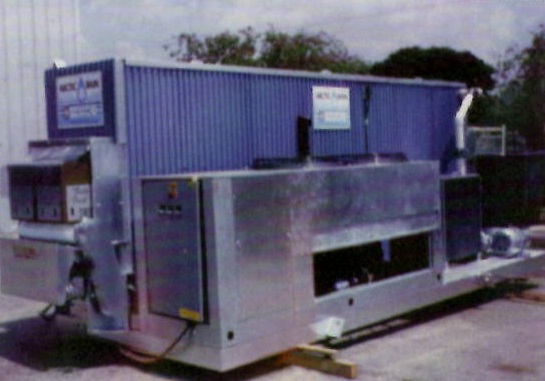
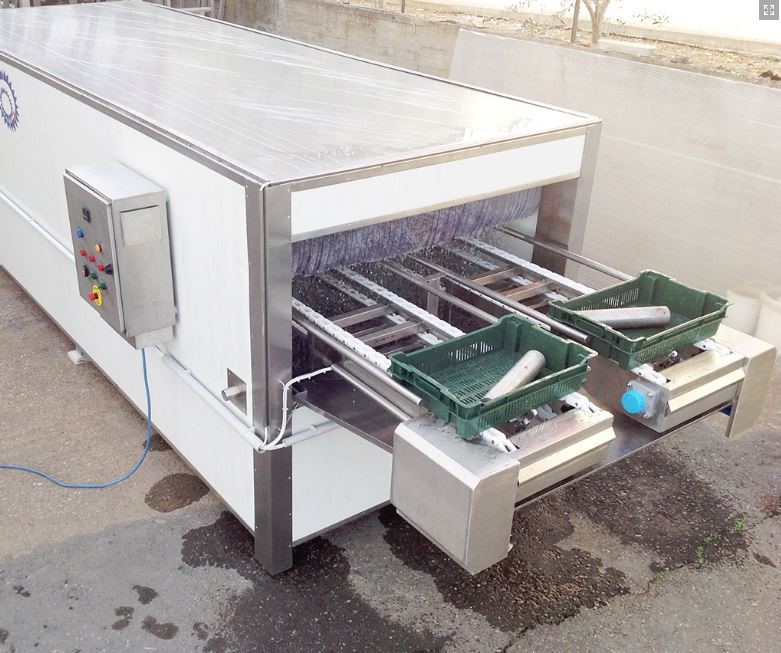
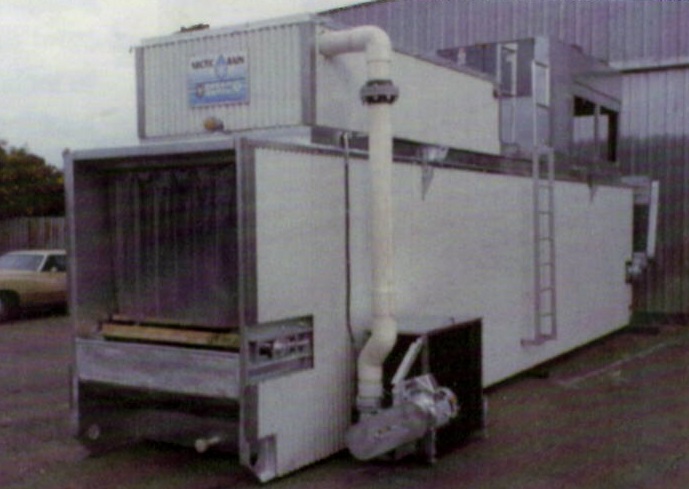
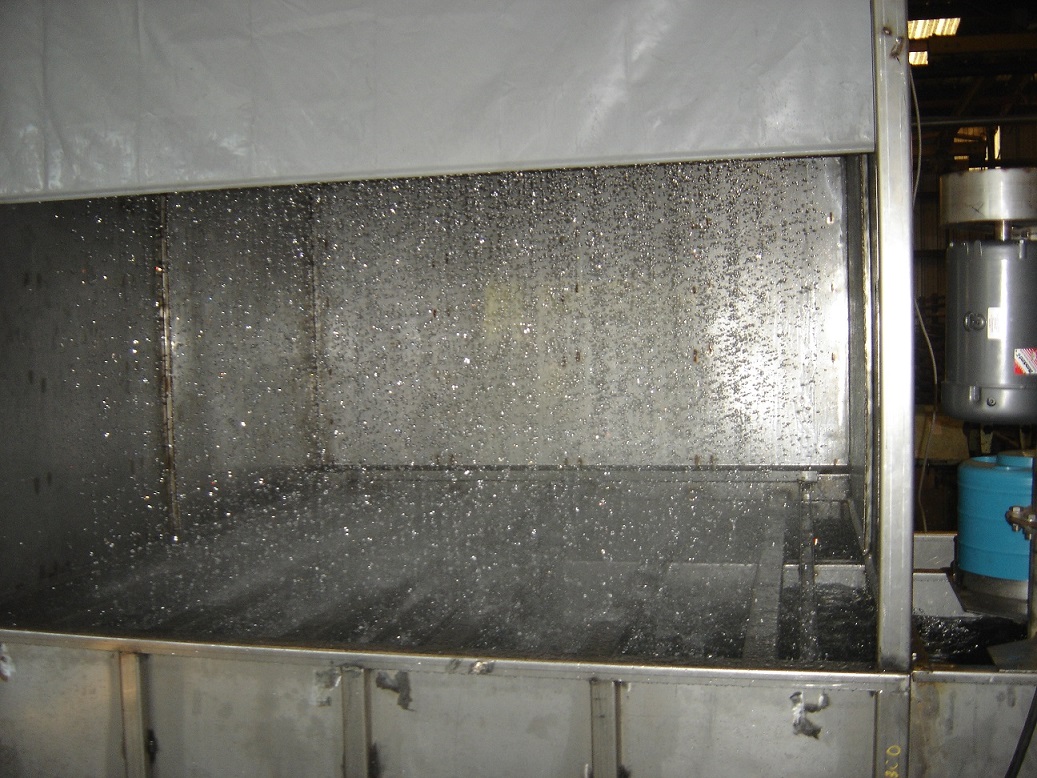
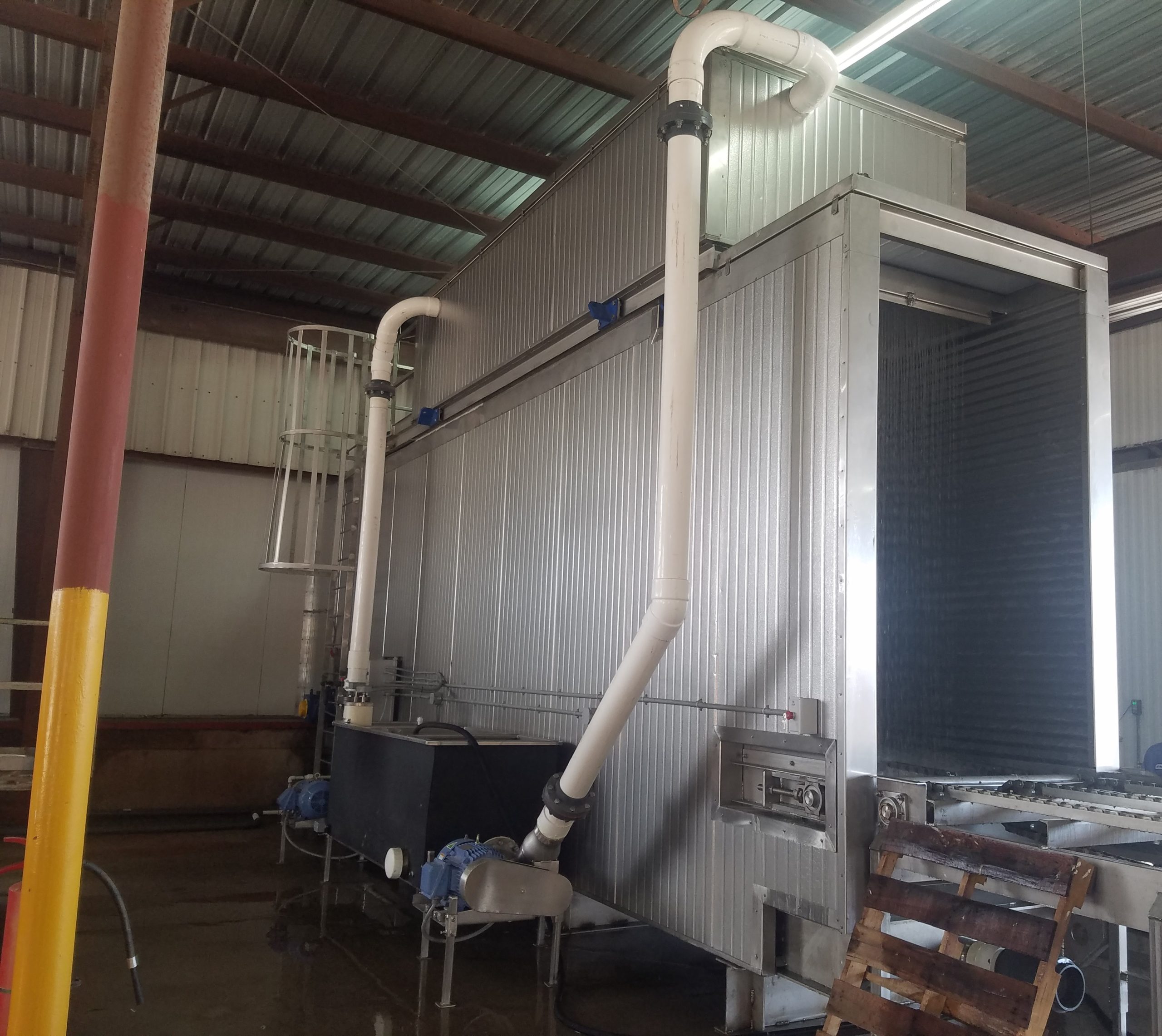
Hydrocooling is a cooling method in which produce is directly cooled by chilled, near-freezing water. This cold water runs over the fruits and vegetables, quickly dropping their temperature and eliminating problems due to heat. The water is cooled either with ice, a refrigeration system, or a system specially designed for hydrocooling.

The Advantages of Hydrocooling

There are many benefits to hydrocooling. One of the biggest is that it is very rapid; water transfers heat away from food up to 15 times more rapidly than air does. Hydrocooling systems can be designed for a range of operation sizes, capable of handling both small loads and very large ones. Also, hydrocooling helps prevent moisture loss in produce, ensuring that the fruits and vegetables will not dry out—a common concern with some other types of cooling systems.

In addition, depending on the design of the system, hydrocooling can also act as a way to partially wash the produce. This is not true, however, for hydrocooling systems where the water is recirculated without being purified. These are a few of the reasons why hydrocooling is a popular option among produce growers.

Important Considerations for Hydrocooling

A number of factors should be taken into account when trying to decide if hydrocooling is the best option for a crop. One of the biggest is concern about rot and disease. Although colder temperatures discourage decay, wet environments are friendly to microorganisms, meaning that some of the disease-prevention benefits of cooling can be reduced. For many types of produce, this difference is negligible, but foods that are especially susceptible to disease should not be hydrocooled.

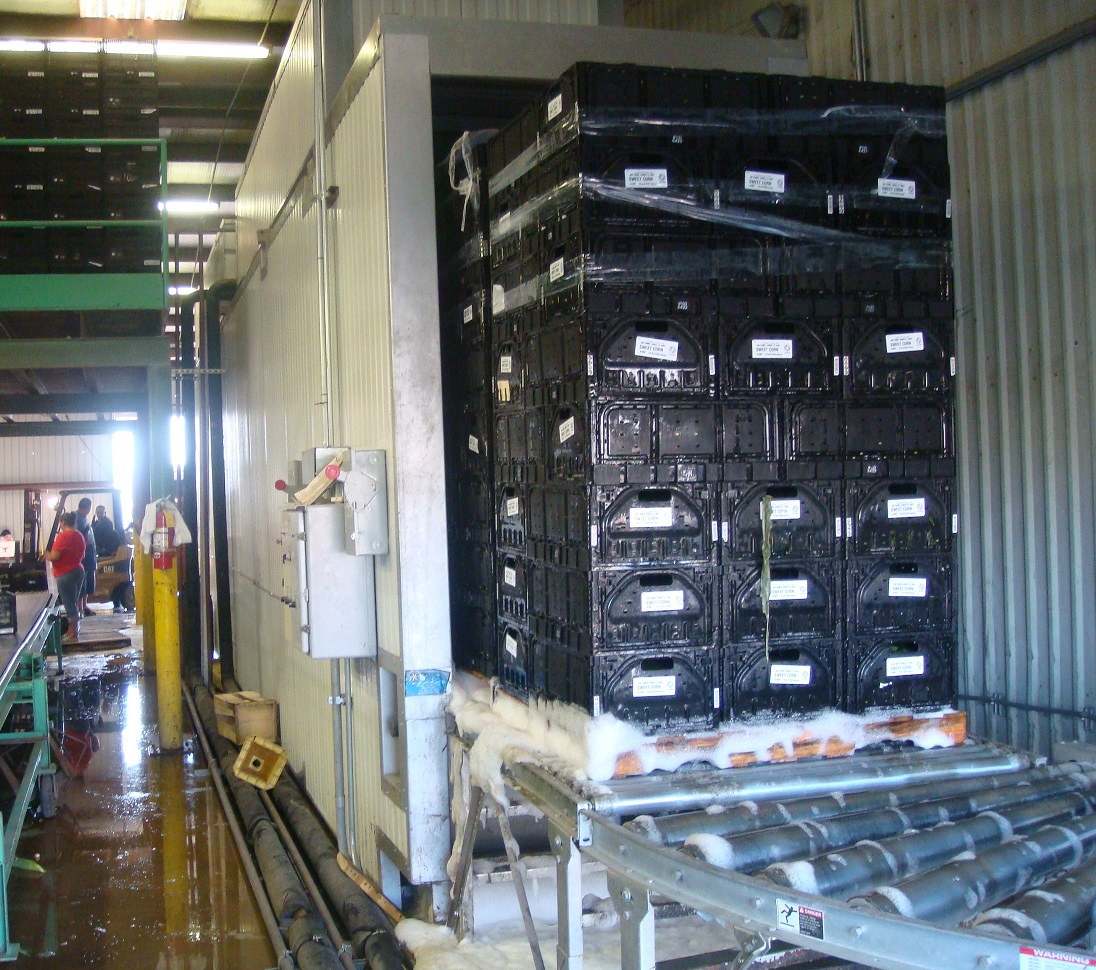
In addition, the type of packaging should also be considered. Hydrocooling should be avoided for packages that are not water permeable, preventing the water from flowing inside and around the produce. Also, the packages must be designed to drain well, so that the water does not collect and pool in the storage area. Mesh bags, bulk bins, and wire crates are well-suited for hydrocooling; palletized produce can be hydrocooled if it is stacked correctly.

Finally, it is important to note that hydrocooling is primarily a pre-cooling method meant to remove field heat rapidly. Hydrocooling is not advisable as a standalone cooling method because at lower temperature it is not energy efficient. Hydrocooling is often done in conjunction with room cooling or forced-air cooling.

Best Produce for Hydrocooling

There are many types of fruits and vegetables that respond particularly well to hydrocooling. These include:

  • Apricots
  • Peaches
  • Plums
  • Nectarines
  • Cantaloupe
  • Apples
  • Pears
  • Cherries
  • Spinach
  • Lettuce
  • Endive and other greens
  • Leeks and Green Onions
  • Asparagus
  • Broccoli
  • Snap Beans
  • Pea Pods
  • Brussel Sprouts
  • Cauliflower
  • Turnips
  • Cucumbers
  • Corn

Foods that should not be hydrocooled include those that are highly susceptible to wetting, such as berries, potatoes, bulb onions, and garlic. This type of cooling should also be avoided for citrus fruits, mushrooms, grapes, and squash. For information regarding cooling methods for particular types of produce be sure to check out our past articles.

SEMCO/SEMCOLD LLC Designs Great Hydrocooling Systems

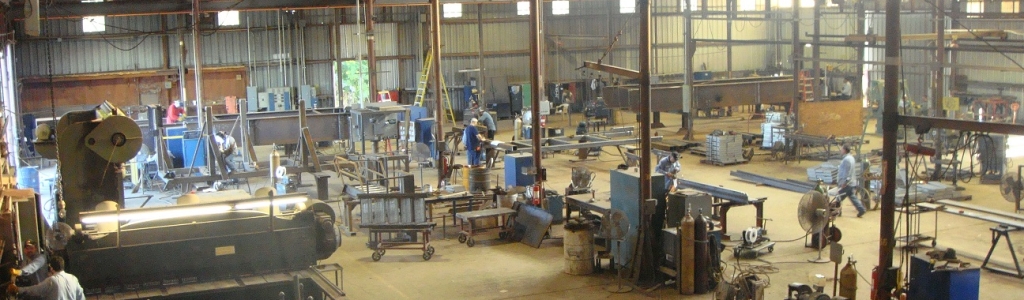
Here at SEMCO/SEMCOLD LLC, we are proud to offer a wide variety of cooling solutions to our clients with our specialty design, manufacture, and installation services. Hydrocooling is just one excellent option for keeping your produce fresh and your quality high. Contact us for more information regarding the system that is best for your crop.

DSC01430