
An industrial ice rake is used within an ice storage and delivery system. The purpose of ice rakes is to move some of the ice flakes into the conveyor area and to level out the ice in the storage bin. While the role of ice rakes may seem simple enough, the fact is that not all systems are created equally. Low quality ice rakes can break from the weight of the ice and some ice rakes even get buried in the ice because they aren’t delivering the ice fast enough.

Fortunately these problems can be avoided with high quality ice rakes and ice systems. There are a lot of different ways that you can customize your ice storage and delivery system to get exactly what you need. Here are a few different beneficial options that exist for ice rakes:

Guiding Systems for Ice Rakes

One great option for systems that include ice rakes is a guiding system. Made from heavy girder side frames with flanges, this guiding system forms an endless track for the ice rakes. This type of track is more beneficial than the typical chain and sprocket guiding system because it reduces hang ups. This helps ensure that the ice makes it to where it is needed in a timely fashion.

Galvanized Steel for Ice Rakes

Another great option is using galvanized steel for ice rakes. With this feature, every part of the ice rake is hot-dipped, galvanized steel. Why is it beneficial to use a rake that has undergone this process? Hot-dip galvanizing is a corrosion protection method. This means that ice rakes featuring galvanized steel will be stronger and more resistant to rust.

Microprocessors for Ice Rakes

Most industrial ice rakes that you’ll find today are automatic. This means that you can use an on-board computer to program them to run when you want them to and so on. The microprocessor controlled rake drive is beneficial because it gives you precise control over what the rake is going to do. You can trust that the rake will be able to level and direct the ice because the microprocessor will ensure that it does its job.

Pneumatic Doors for Ice Rakes

The doors may not be a part of the ice rakes themselves, but they are imperative to a rake doing its job well. At SEMCO/SEMCOLD LLC we know how important it is for your ice delivery system to deliver the ice as you need it. That’s why you can get four pneumatic operated doors. In other words your doors will be opened using pressurized air or gas. These doors form a tiered ice retaining wall to ensure that there isn’t an ice avalanche as the rakes start working. The high quality seal of the pneumatic door also avoids energy loss, preserving the efficiency of the system.

Ice rakes are simply one component of a high quality ice system. SEMCO/SEMCOLD LLC designs and manufactures fully customizable industrial cooling and freezing systems. We always strive to offer our customers the features and options they need to make the ice system perfect for their tasks.
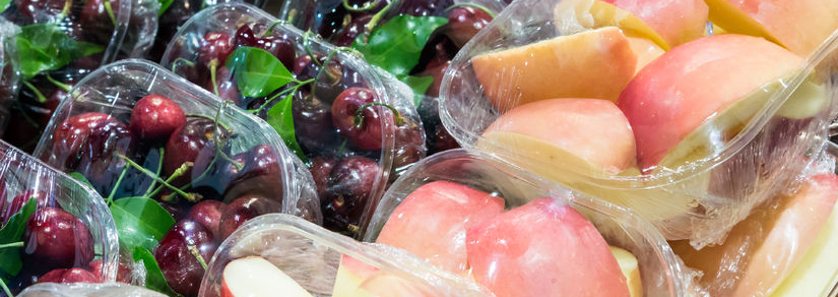
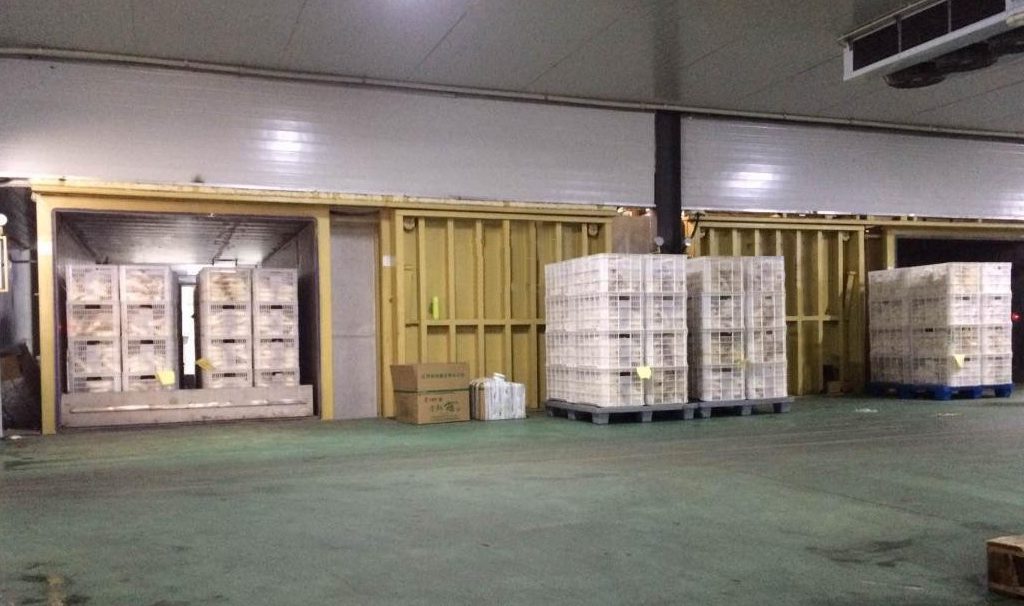
After the harvest of a beautiful crop of produce, growers must then consider how to quickly and completely cool their harvest to keep it in peak condition for transport and sale. At SEMCO/SEMCOLD LLC, we manufacture and install industrial grade cooling systems that are custom designed to meet each client’s specific needs and facilities. Cooling fresh goods immediately after harvest will help maintain freshness and quality in produce. If not properly cooled and stored, fresh produce is subject to rot or degradation of firmness and overall quality. Prompt and proper cooling slows down ripening, softening and color changes and keeps off spoilage due to various bacteria, yeasts or fungi.

Various Cooling With Ice Methods

There are many methods used to cool fresh goods . Room cooling involves storing produce in insulated rooms equipped with refrigeration units. Forced-air cooling is a system where fans are employed in conjunction with room cooling to pull the cool air through packaged fresh goods containers. Hydrocooling means dumping produce into cold water or placing cold running water over the produce to quickly clean and remove heat from the produce.

The Benefits of Icing

Icing is another cooling technique. Cooling with ice involves adding crushed ice to the container on top of the produce either by hand or through machine application. This article will focus on ice cooling.
Ice can be applied to fresh goods packaging in a number of ways. Crushed ice can be added to each package manually, but this is a labor intensive, slow process that is not functional for high-volume facilities. Liquid icing injects water and ice into produce packages through prepared vents or handles without removing the packages from storage pallets or having to open the tops of the packages. Specific machinery can be customized to meet a facility’s specifications, can quickly inject the slurry of ice and water into each package as the containers of produce travel along a conveyor belt.
Liquid icing can also be applied through handle openings in the sides of boxes with the use of a hose. The water does most of the cooling with the ice helping to keep the temperature of the produce low. One benefit of this method is that the packages can remain closed. This allows workers to quickly ice large pallets of boxed fresh goods. Since liquid icing wets the fresh goods, it must not warm up again. If it does, the produce becomes more susceptible to post harvest diseases. Top icing involves applying a two to four-inch layer of crushed ice. This helps maintain cooling for the top layers of fresh goods in a truck. Top icing doesn’t effectively cool all of the pallets, but it can maintain a low temperature.

Produce That Does Well With Ice Cooling

Ice cooling is particularly effective for fresh goods with high respiration such as sweet corn or broccoli. Produce that is well-suited for icing include the following fruits and vegetables:

  • Artichokes
  • Asparagus
  • Beets
  • Broccoli
  • Cantaloupes
  • Carrots
  • Cauliflower
  • Endive
  • Green Onions
  • Leafy Greens
  • Radishes
  • Spinach
  • Sweet Corn
  • Watermelon

Not all produce types are good candidates for ice cooling, however. Products that are damaged by ice, such as; berries, tomatoes, squash, green beans, cucumbers, onions, Romaine lettuce and herbs should not be cooled using an icing method. Icing such delicate items can spoil them completely and make them unsuited for sale and consumption. At SEMCO/SEMCOLD LLC, we can help you understand your produce-cooling options and build a system custom designed for your facility.

produce crops fresh goods fruits products Crops Vegetables Fruits Harvest Agricultural products Farm products Foodstuffs Plant products Fresh goods

Keeping fruits and vegetables at their optimal temperatures is vital for maintaining freshness and nutritional value. Temperatures that are too warm could cause certain types of produce to go bad. Keeping your produce cool with ice cooling is beneficial in many cases. However, not all produce will fare well with ice cooling. Let’s take a look at 4 reasons why ice cooling isn’t always the right choice.

Large Ice Chunks Could Be Problematic

Some types of fruits, such as tomatoes, plums and peaches, have very thin skins that are prone to bruising, bursting and other types of damage. If you choose to use solid ice to keep these types of produce cool, there is a good chance you’ll end up with produce you either have to sell at a discount or can’t sell at all. Still the produce experts emphasize that stone fruits especially have to be stored at temperatures equaling 0 degrees Celsius or 32 degrees Fahrenheit. If they are too warm, they will continue to ripen, greatly diminishing their shelf life.

Melting Ice Could Ruin Produce

Some types of produce cannot get wet. Strawberries, blueberries and similar produce items will quickly become soft and decay once they get wet. Lettuce and other leafy vegetables are also prone to problems once they become wet. They will lose their freshness and begin to wilt within a few hours, leading to lost profits because of unusable vegetables. Even if the produce itself would be ok in water, melting ice could damage the packaging. Some fruits are stored in cardboard containers that degrade and fall apart when they become wet, leaving spilled produce as the result.

Ice Cooling Isn’t Always Economically Viable

Block ice is a common way to keep produce cool, but depending on where you are located and on the time of year, it isn’t always readily available. During peak seasons, agricultural areas usually have more demand than supply for block ice. While this type of ice is easy to transport long distances, doing so usually costs much more between the laws of supply and demand and the extra labor and transportation. One alternative is chip or flake ice, but it is only viable if you make your own with a machine such as the ones we sell at SEMCO/SEMCOLD LLC or if an ice plant is nearby. This type of ice cannot travel long distances since it melts and refreezes in one large ice chunk.

Ice Requires Enough Laborers

Small businesses simply might not have enough people on hand to work with large amounts of ice. Ice is heavy, and especially when working with large enough chunks or bags to cool large amounts of produce, it is practically impossible for one or two people to move alone. It is also time consuming to ensure the ice is still solid enough to do its job and that produce is at an optimal temperature. A business owner who already has a full plate could need to hire another person just to handle the care of produce.

All in all ice cooling is an excellent method of preserving freshness and quality. However, it is important to understand the limitations and drawbacks of ice cooling and to realize that for some types of produce, ice cooling isn’t necessarily the right choice. SEMCO/SEMCOLD LLC manufactures a wide range of cooling systems and whether ice is right for your application or not, we can design a fully customized system that meets your needs.

Flexible Financing Options for All Equipment

At SEMCO/SEMCOLD LLC, we strive to make acquiring high-quality industrial equipment more accessible with our LEAF Leasing financing options. This flexible “Lease-to-Purchase” program allows you to spread the total cost of any equipment over affordable monthly payments. Whether you need ice crushers, rotary valves, hydrochillers, or any of our advanced systems, financing through LEAF ensures you can enhance your operations without upfront financial strain. At the end of the lease term, you fully own the equipment—no hidden fees or extra costs. Additionally, LEAF Leasing offers tailored payment schedules, including options that align with your business’s cash flow cycles. Contact us today to explore how our financing solutions can help you grow your business with ease.

Many types of produce, like strawberries, apples, beans and blueberries, have to be drastically cooled after harvest in order to keep their freshness. Putting every different type of produce under the right cooling method will lengthen their freshness and ensure that a high quality product is given to consumers. There are a lot of different types of post-harvest cooling methods out there, like forced-air cooling, room cooling, hydrocooling and icing. Each of these cooling methods has a proper use when it comes to different types of produce. SEMCO/SEMCOLD LLC understands that you’ll need different equipment depending on the type of produce you deal with. However, in today’s article let’s take a look at forced-air cooling and some common mistakes to avoid when using this cooling method

What Is Forced-Air Cooling?

Forced-air cooling uses fans to pull cool air through the packages and pallets of produce. Because the cold air is actually forced around the room and into the heart of the pallets, this cooling method is typically 75% to 90% faster than room cooling. Forced-air cooling is thought of as being effective because:

  • It reduces how long produce stays at warmer temperatures, which decreases deterioration of the product.
  • It is energy efficient because of its shorter cooling times.
  • It is particularly more efficient when it comes to cooling large volumes of produce.
  • It cools produce without adding moisture or requiring excessive handling of the product.
  • It can be retrofitted from an existing room cooling facility.


Potential Forced-Air Cooling Mistakes

While forced-air cooling systems can be really effective, you have to avoid making certain mistakes that would drastically reduce the effectiveness of this cooling method.

Humidity Mistakes

The movement of the air can cause the produce to get dried out if the humidity levels are not properly regulated and monitored. Lack of water on the surface of the produce can result in shrinkage, wilting and overall loss of quality. Too much water can lead to the growth of mold and other fungi. This type of mistake can be avoided by incorporating more coils or larger coils used in the system and using a wet-bulb thermometer to monitor the humidity levels. You can also use industrial humidification systems to help keep the room at the right humidity level.

Ventilation Mistakes

Another mistake is not having enough ventilation between the packages, in the pallets and in the room in general. This lack of air flow can reduce the efficiency of the forced-air cooling system. If there is not enough ventilation, the cooling time will be longer. If there is too much ventilation, the products may not stay at a consistent temperature.

Overcrowding Mistakes

Another common mistake is over packing the pallets. When the pallets themselves are too full, the center produce is not able to get cooled as well as the other produce. You can avoid this type of mistake by not filling the individual pallets too full.

Produce Mistakes

Finally, many people use this type of system for the wrong types of produce. Some produce is not supposed to get as cold as quickly as others. At SEMCO/SEMCOLD LLC, we can help you get the right system for the right produce. It is appropriate to use a forced-air cooling system for apples, beans, blueberries, brambles, cabbage, cucumbers, eggplant, okra, peaches, peas, peppers, potatoes, squash, strawberries and tomatoes among others.

Using the most effective cooling system is important, but even an effective system has to be used in the right way. Turn to professionals who can help you get the best equipment for your line of work. Turn to SEMCO/SEMCOLD LLC. We provide fully customized cooling systems including forced-air cooling systems.

After harvesting, it’s essential to properly cool produce in order to maximize its shelf life. By staving off the natural growth of microorganisms, the cooling process helps to slow the physiological changes which impact freshness and nutritional value. This can be achieved both through lower-cost and more advanced methods, including harvesting during cooler periods during the day, cool air ventilation, and evaporative cooling. For many types of produce, however, precooling is an essential part of the equation. Precooling is a process performed to rapidly remove field heat immediately following a harvest.

Field heat is described as the difference between the temperatures of actual crops harvested versus the ideal storing temperatures for those same food products. Prompt removal of this type of heat is essential, as even an hour-long delay can correlate with about a day’s loss in terms of shelf life. As the name suggests, precooling is performed in advance of the final, primary cooling method, and it can be performed in several different fashions.

Precooling Methods

There are various approaches to precooling, and while they vary in their effectiveness, any process which quickly lowers the temperature of harvested produce without damaging them is beneficial to some extent. SEMCO/SEMCOLD LLC provides a range of industrial cooling products, such as hydrocoolers which deliver efficient, economical performance to maximize yield and minimize loss.

Hydrocooling – Hydrocooling is one of the most common and effective precooling methods. Hydrocooling involves spraying produce or dipping it into chilled water. This method can work up to 15 times faster than air-cooling methods. Hydrocooling also does a better job of retaining moisture and can even utilize refrigerated calcium chloride solutions in order to prevent storage problems with certain fruits. Hydrocooling does require a clean, sanitary water source and is best used for flower, stem, and root-type vegetables as well as some tree fruits.

Some other common precooling methods are described below:

Shade Cooling – By moving produce to a cool, shaded area immediately after harvesting, an acceptable amount of precooling can sometimes be achieved, depending on the produce. If possible, create viable indoor holding areas such as within packing houses. Structures which are outfitted with light-colored or white roofs are also generally better for reflecting sunlight and reducing solar gain, lowering inside temperatures with minimal overhead cost.

Ice Cooling – Ideal for use during storage, distribution, and transport stages, ice cooling is an acceptable method of field heat removal, particularly when produce packaging is too dense for effective air-based approaches. As much of the cooling potential is lost via heat exchange with the general environment as opposed to the produce itself, ice is not generally regarded as a highly-efficient method of precooling.

Ice cooling can be performed in several different fashions, including top icing, applying crushed ice over produce, or liquid icing, injecting a slushy ice and water mixture into packages, or by wrapping ice bottles in paper and placing them amid produce, such as in situations where direct contact is to be avoided.

Specific Produce Types That Require Precooling

Precooling is an important step in the harvesting process for many fruits and vegetables. Among those that should always be precooled are the following:

  • Berries
  • Capsicum
  • Cherries
  • Chili peppers
  • Cucumbers
  • Eggplant
  • Grapes
  • Green beans
  • Leeches
  • Mandarin oranges
  • Melons
  • Okra
  • Peas
  • Sapotas
  • Spinach
  • Stone fruits
  • Tomatoes

Conversely, some types of produce do not typically require precooling. Such produce includes cabbage, carrots, cauliflower, green bananas, guava, mangoes, papaya, pomegranates, and radishes. Keep in mind these lists are not exhaustive but are helpful starting points for reference. For more detailed information about cooling and storage methods for specific types of produce be sure to check out our past articles.

More Information about Precooling

SEMCO/SEMCOLD LLC is a trusted manufacturer of custom-spec cooling systems for storage and transportation of all types of produce and perishable food products. We design hydrocooling technology which will help you to deliver more fresh, high-quality produce while reducing potential losses. Taking a careful, active role in cooling and precooling will help to improve produce taste, quality, and even economic value.

Maintaining food products like meat, produce, and seafood cold on ice helps to maintain their freshness and prevent dangerous bacteria from endangering consumers. What some consumers and companies do not realize is that ice is considered itself a food, and it must be treated as carefully as food. Utilizing high quality and safe ice is critical to keeping your products safe. At SEMCO/SEMCOLD LLC, we manufacture and install industrial cooling systems like ice makers to help maintain food safety and freshness. This article with outline three tips for safely displaying consumable iced products.

Tip #1: Make Sure That The Water Going Into Your Ice Machine is Clean

The quality and safety of your ice is as good as the input water used in the process. If you would not drink directly from the input line to your ice machine, redesign your process to properly filter or clean water. When you are not sure if your water is clean, send some of the water to a laboratory company to test it for pathogens or chemicals. Consider setting up a regular process to test for water quality so that you will be alerted if there is an issue in your process.

Also, consider utilizing an in-line filter to make sure that the water going into your ice machine is clean. Although others might consider extra controls excessive, you can have the peace of mind knowing that your process will be safe even if the water company sends contaminated water.

Tip #2: Clean Out the Ice Machines and Bins Regularly

Your ice machine and bins should be frequently cleaned according to the manufacturer’s recommendations. Whether you have a new or older SEMCO/SEMCOLD LLC system, feel free to contact us at SEMCO/SEMCOLD LLC to review recommendations for unit cleaning. This protocol should outline the cleaning steps, the frequency, the tools and how to verify that cleaning is effective. Including pictures and easily accessible equipment will help you or employees complete the process. Additionally, verifying completeness of cleaning with a checklist will help you to show regulatory officials that you completed the task correctly each time.

Here is a sample list of steps for cleaning an ice machine:

  • Shut down and lock out the ice machine so that it will not activate during cleaning.
  • Clean and shine the outside surface of the machine.
  • Remove any residual ice in the machine.
  • Clean the inside of the machine using a suitable chemical approved for cleaning food contact machines.
  • Carefully clean the inside of the door and the gaskets with the approved sanitizer.
  • Rinse thoroughly to remove sanitizer chemical.
  • Check and service in-line water filter if needed.

Tip #3: Create Sound Systems For Safely Handling Ice

Any ice used to cool produce must be treated as a food, even if the ice is not directly consumed. The ice will come in contact with the food and thus must not contaminate it. Even if you have a clean machine to produce ice, the following guidelines can help you and your employees maintain safe ice utilization.

  • Before handling ice, wash hands completely with soap and warm water.
  • Utilize clean hands or clean gloves before removing ice. Remember that dirty gloves are just as bad as dirty hands.
  • Ice bins used to transport ice must be clean whenever used and should never be placed on the ground.
  • Utilize clean and undamaged scopes for ice.

Taking the time to create and utilize procedures that keep your ice clean will help protect your customers from food-related illness. Remember that consistent practice of the right procedures will make food safety simple.

Whether you are seeking to preserve meat products, fresh produce, or any other commercial products that needs to be cooled, choosing the right kind of ice for your application is essential. Block, flake, and slush ices each offer their own unique advantages and disadvantages, including variances in availability, melting speeds and space efficiency. When combining the proper ice type with the capability of SEMCO/SEMCOLD LLC custom-designed cooling systems, you’ll be assured of product integrity throughout the storage process. Let’s take a look at some of the most common types of ice and when they might be useful for a given application.

Block Ice

If space limitations exist or you’re seeking a slower-melting option, block ice may be an ideal choice. Keep in mind that blocks must usually first be crushed in order to be used for actual food storage purposes, as a flat slab would not have the ability to surround non-standard shapes and thus provide proper cooling. Block ice does also provide the benefits of widespread availability and maximum space efficiency, as there is no empty container space as when carrying flake or slush types.

Conversely, it must be noted that properly crushing block ice can be a labor-intensive process, and without the right kind of equipment, it may not be possible at all. When blocks are not broken down into small enough pieces, you can run the risk of inadequate cooling performance (due to insufficient surface contact) as well as product damage which can result from larger, sharper chunks of ice.

Traditional tools can be utilized to break down ice in block form, such as picks and hammers, but this is potentially inefficient and can even be unsafe. If choosing this ice type as part of your preservation strategy, keep in mind that SEMCO/SEMCOLD LLC crushers are a convenient and efficient means of outputting ideal, consistent crushed ice, both for transportation and general storage needs.

Flake Ice

There are a few immediate benefits of flake-style ice versus blocks. For starters, manual crushing is not necessary, as flake ice is sold in a ready-to-use state. Its natural shape allows it to fit easily around stored food such as fish and as it melts, it creates a kind of natural skin which aids in decelerating the melting of any ice below.

Additionally, with greater overall surface area than many other types, flake ice is able to cool product more quickly when compared with some of the competition. This type of ice is easy to transport and store, and it helps to prevent introduction of bacteria which can result when relying on other methods of refrigeration.

By contrast though, this type of ice is less space-efficient than several other varieties, particularly when compared to block form. Potential caking can occur at the bottoms or sides of your storage areas as well, and while more surface area does provide faster cooling potential, it also tends to melt more quickly. SEMCO/SEMCOLD LLC recommends the use of this flake ice when ample space is available and when crushing block ice is either impractical or impossible.

Slush Ice

As the name suggests, slush is a combination of ice and water, which combine to create a cooling method that’s both efficient and adaptable. The liquid component helps to ensure that slush ice will completely fill in any spaces between food products, regardless of the size of your holding area. This is also a preferred method of cooling while retaining your product’s natural moisture.

As with other varieties, certain drawbacks do exist for slush ice. For example, the overall liquidity level must be monitored constantly in order to ensure that too much ice does not melt, resulting in temperatures too high for safe food storage. SEMCO/SEMCOLD LLC has also found that micronutrients and pigment can be sapped from fish stored in water, possibly necessitating use of a dry cooling method instead.

Overall Comparison

In the end, each type of ice offers many similar benefits and drawbacks. In order to protect your product and profitability, you must be sure to select the type that’s best suited to your environment and application:

  • For the greatest overall efficiency in terms of space usage and melting speed, block ice makes a good choice. Keep in mind the additional labor and/or equipment necessary to produce crushed ice.
  • Fast cooling, ample moisture retention and ease of use are some of the primary benefits of flake ice. However, be aware that this type does melt more quickly and typically requires larger storage spaces.
  • Choose slush ice when strong moisture retention is desired or when you must ensure thorough contact with all food products being stored or transported. Bear in mind that liquidity must be steadily monitored and fish pigment or micronutrients may be drained to some extent.

SEMCO/SEMCOLD LLC is an industry leader in industrial and commercial cooling systems, providing the technology to preserve a variety of perishable commodities safely and effectively. We provide everything from ice bins and scales to crushers, blowers and hydro coolers, serving companies working throughout each stage of the supply chain. Our systems can be built and installed to meet your custom specifications, making it possible to address virtually any needs in the world of commercial ice storage and transportation.

One of the most important considerations for fishing boats is how to keep the catch as fresh as possible until the ship gets back to port. It doesn’t matter if you’re a small family fisherman trawling the waters every day or a large commercial vessel going out for days at a time, the proper icing and storage of the catch is crucial to your profit margin. The use of flake ice is one of the best ways to preserve freshly caught seafood and can be loaded on shore or produced on board.

Flake ice, or scale ice as it is sometimes called, consists of large, flat, thin pieces of ice that are ideal for providing the total contact needed to keep fish and other seafood fresh. However, to keep the ice itself fresh, is must be stored at below freezing temperatures. It remains workable for up to 48 hours but becomes increasingly difficult to work with the longer it is stored because it tends to form clumps. After 96 hours, it is virtually impossible to break apart and the larger chunks will not provide the surface area coverage necessary to keep fish fresh.

Proper Flake Ice Storage

SEMCO/SEMCOLD LLC recommends that ice storage chambers aboard fishing ships have the following elements.

Insulation

Proper insulation in the cargo hold or storage container is crucial to preventing the absorption of bacteria and to preventing vermin access. Lightweight, moisture-resistant Polyurethane Foam is the preferred type of insulation for ice containers aboard ship.

Lining

Ice and fish storage areas must be properly lined to ensure the cleanliness of the ice. Fiberglass is preferable for lining cargo holds because it is easy to clean and sanitize. In addition, fiberglass will not absorb microbes and bacteria that could potentially be carried to the next load of ice and the catch stored in it.

Drainage

An effective drainage system is vital in order to handle runoff from slowly melting ice. This runoff serves to wash away fish slime and prevent standing water both of which are bacteria and microbe breeding grounds that can cause the fish to spoil even while it is in the ice.

Storage containers designed to fit the individual needs of your vessel are also available at SEMCO/SEMCOLD LLC.

Flake Ice Production

Flake ice can be purchased and loaded prior to leaving port, which is a viable option for short fishing trips, or it can be manufactured aboard ship which is a safer, more cost effective method for longer expeditions. Flake ice machines that are capable of producing ice using seawater eliminate the space requirements and the expense of carrying fresh water. On board ice machines also allow flake ice to be produced on an as-needed basis, meaning that the ice used to preserve the catch is as clean and fresh as possible.

Whether you choose ready-made ice or make your own aboard ship, SEMCO/SEMCOLD LLC can provide the storage solutions needed to bring the freshest possible fish back to port.

SEMCO/SEMCOLD LLC is committed to providing top quality industrial cooling and freezing systems. These systems are perfect for a wide range of different industrial and commercial applications. However, by far one of the common uses for our cooling equipment is the preservation of fresh seafood caught offshore by commercial fishermen. That is why SEMCO/SEMCOLD LLC is so excited to announce that one of our customers, Buddy Guindon and his family, will be starring in a new reality TV show called “Big Fish Texas” that will begin airing on the National Geographic Channel on February 3rd.

About “Big Fish Texas”

The first season of “Big Fish Texas” will consist of eight episodes and will track the Guindon family as they gear up, bait hooks, and go out to sea in the Gulf of Mexico in search of red snapper, grouper, golden tilefish, and others for their fresh fish seafood market. The family runs Katie’s Seafood Market on Galveston Island, a business named after Buddy Guindon’s wife, Katie.

In addition to Buddy and Katie Guindon, the series will also feature their four sons who are also involved in the family business and range in age from 15 to 33 years-old. Buddy’s brother and his wife will also be featured as will Buddy’s father, Greg. Filming of the first season of eight episodes has already wrapped up and there could be future seasons if the show is well-received by audiences.

The Guindons’ Commitment to Sustainability

A big focus of the show will be the Guindons’ commitment to sustainability and environmentally responsible commercial fishing, a cause so important to Buddy Guindon that he has testified before congress about the importance of seafood conservation. Guindon is also a founding member of the Shareholders Alliance, whose mission is seafood conservation. This is an extremely important and timely issue as more and more overfishing is being done worldwide, threatening the ecosystem and the future of fresh seafood.

SEMCO/SEMCOLD LLC is happy for the Guindons’ success and we are very excited to see the show, which will be premiering on the National Geographic Channel on February 3rd. We are honored to supply the Guindons with quality industrial cooling equipment they can use for their business. Please tune in with us and watch their adventure unfold.

Proper cooling of produce is critical to maintain the quality and nutrition of food. The single most important factor that prevents food degradation is maintaining a proper food temperature. Through refrigeration by units produced by SEMCO/SEMCOLD LLC, major spoilage processes are prevented. The first is that the processes of ripening and premature softening are slowed at lower temperatures. Refrigeration also prevents wilting and moisture loss. Lastly, refrigeration prevents significant food quality and safety issue by preventing bacteria, fungi and yeast from growing. Among many cooling methods, hydrochiller is an effective pre-cooling method that aids in food quality.

The Hydrochiller Process

Hydrochillers are an effective process by which cooled water is used to bring the temperature of produce down. After produce is harvested, it can have a temperature between 50 to 80 degrees. This is commonly referred to as field heat. If the fruits, vegetables, and grains are not negatively affected by the process, they can be pre-cooled with hydrochillers.

Hydrochiller involves submerging produce in a tub of refrigerated water or passing produce through a stream of cooled water. Additionally, some machines will recycle to water used in the process while adding sanitizers to the water to help clean the produce as it is cooled. Water is more effective at quickly pulling heat out of produce compared to air-cooling. This allows field heat to be rapidly removed, slowing the spoiling process.

Limitations of Hydrochillers

Hydrochillers are a an efficient cooling process but does not work for all types of produce, is not as energy efficient compared to other methods at lower temperatures, and functions only as a pre-cooling and not a standalone cooling method. Certain produce should not be soaked or sprayed with water after harvesting. A few examples of fruit and vegetables that cannot be hydrochilled include celery, carrots, cabbage, blackberries and beets. In certain cases, the produce can be damaged by hydrochillers. In certain fruits and vegetables, extra water absorption by produce can also increase the speed of spoilage or decrease the structural integrity, taste, or quality.

Increased Speed and Decreased Energy Efficiency

Room cooling utilizes an air-conditioned room to bring down the temperature of produce. Hydrochillers are much more rapid than room cooling, but the hydrochillers process is not as energy efficient as room cooling. Maintaining a low water temperature required for the hydrochillers process take significant amounts of energy. This means that hydrochillers are a fast, efficient way of quickly removing heat, but it is not suitable for complete cooling to optimal temperatures because it would require too much energy.

Hydrochillers Are Not a Standalone Method

Hydrochillers are designed to quickly decrease the temperature of produce that is not sensitive to wetting, but it is not designed to maintain it at a low temperature. In addition to energy efficiency concerns, most produce could not be continually stored in cold water without significantly decreasing its stability, taste, and quality. To design an effective cooling process, hydrochillers should be an introductory method to decrease the temperature of sensitive produce rapidly so that it can be stored in a cold room and maintained at the correct temperature.

SEMCO/SEMCOLD LLC designs high quality cooling and freezing systems ideal for produce, food, and many other industrial and commercial applications. We are always happy to help our clients find the produce cooling system that is best for their needs. All of our systems are also customizable and can be designed to customer specs. For more information about cooling methods for specific types of produce please browse our past articles.